
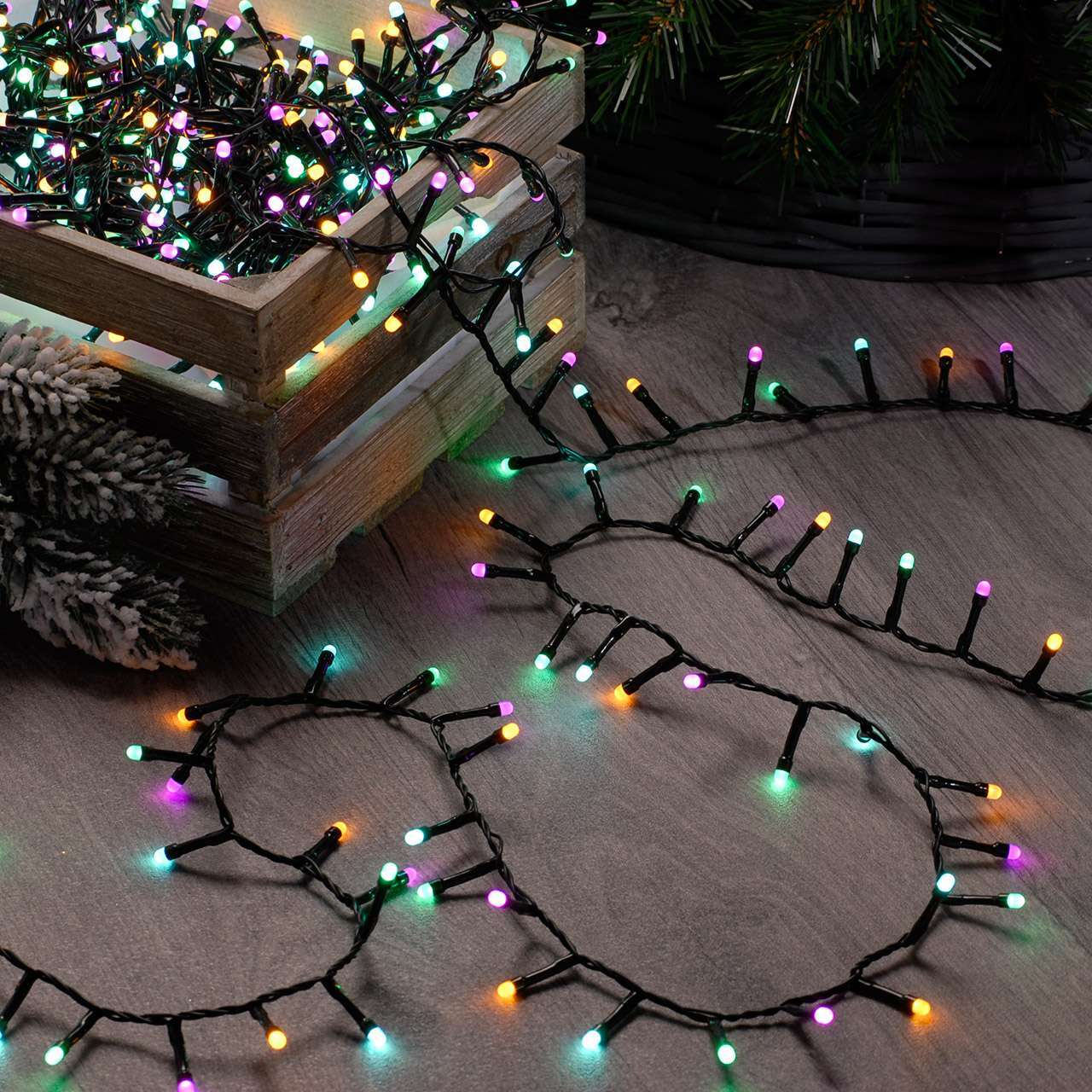
The holiday season brings sparkle, warmth, and joy; however, it also brings an increased demand on household electrical systems. Christmas lights may be festive, yet if installed or used improperly, they can pose fire hazards, shock risks, and high energy consumption. Explore practical ways to enjoy holiday lighting while keeping your home safe and energy-efficient.
Why Electrical Safety Matters During the Holidays
Every winter, electrical fires and accidents increase due to overloaded circuits, damaged light strings, and improper outdoor installations. Simple precautions can dramatically reduce risks and ensure your decorations shine bright without compromising safety.
Inspect and Prepare Your Lights
Before you hang a single strand, take time to inspect all wiring and bulbs:
- Check for damage: Replace any lights with frayed wires, cracked sockets, or loose connections. Damaged lights are one of the leading causes of holiday electrical fires.
- Use the right products: Only use lights and extension cords rated for indoor or outdoor use as appropriate. Look for UL or ETL certification for verified safety.
- Avoid overloading circuits: Always follow manufacturer guidelines on how many strings can be safely connected end-to-end. Too many strands can overheat.
Safe Installation Practices
Proper installation plays a key role in preventing accidents:
- Use GFCI outlets outdoors: A Ground Fault Circuit Interrupter helps protect against electrical shock in wet conditions.
- Keep plugs off the ground: Elevate connections to prevent accidental water exposure from rain or melting snow.
- Never run cords through doors or windows: The pressure can pinch wires and increase fire risk.
Plastic clips are recommended for attaching lights to gutters, roofs, and railings. Avoid nails and staples, which can pierce cords and expose wiring.
Preventing Electrical Fires
Christmas décor often sits near heat sources, which can create unintended hazards:
- Keep lights away from heaters, fireplaces, and candles.
- Water real Christmas trees regularly - dry trees ignite rapidly.
- Avoid using multiple power strips together (“daisy-chaining”).
- Don’t place cords under rugs or furniture where heat can build up unnoticed.
Turning lights off when you’re asleep or away from home is one of the simplest fire-prevention steps you can take.
Energy-Efficient Lighting Tips
Holiday lighting doesn’t have to mean a spike in your electric bill. Here’s how to brighten your space responsibly:
Switch to LED Lights
LED Christmas lights use 80–90% less energy than incandescents and have longer lifespans. They also produce less heat, reducing fire risk and lowering operating costs.
Use Timers or Smart Plugs
Setting lights on automatic schedules ensures they’re on only when needed. This saves energy and prevents lights from running all night.
Consider Solar Lighting
Solar-powered décor for outdoor areas is a low-cost, energy-free alternative that’s easy to install and maintain.
Choose Efficient Decor
When opting for inflatables, projectors, or animated displays, look for Energy Star–rated products or low-wattage options.
Smart Layout and Storage Tips
Placement matters. Using fewer strands in high-visibility areas, such as windows, rooflines, or landscape features, can create an impressive look without excess energy use.
When the season ends, store lights carefully in a cool, dry location. Avoid tangling cords or pulling on wires, as damage in storage often goes unnoticed until next year.
Holiday lights bring beauty and festive cheer, but they should never compromise safety or efficiency. By inspecting your lighting, installing it correctly, and using modern energy-saving technologies like LED bulbs and smart timers, you can enjoy a bright, safe, and cost-effective holiday season.